

Cervical Cancer Brachytherapy
Cervical cancer remains one of the most common oncological diseases among women. The success of treatment largely depends on early diagnosis and the correct choice of therapeutic strategy. One of the key methods in modern gynecologic oncology is brachytherapy—a contact form of radiation therapy that is used both as part of combined treatment and, at certain stages of the disease, as a primary treatment method.
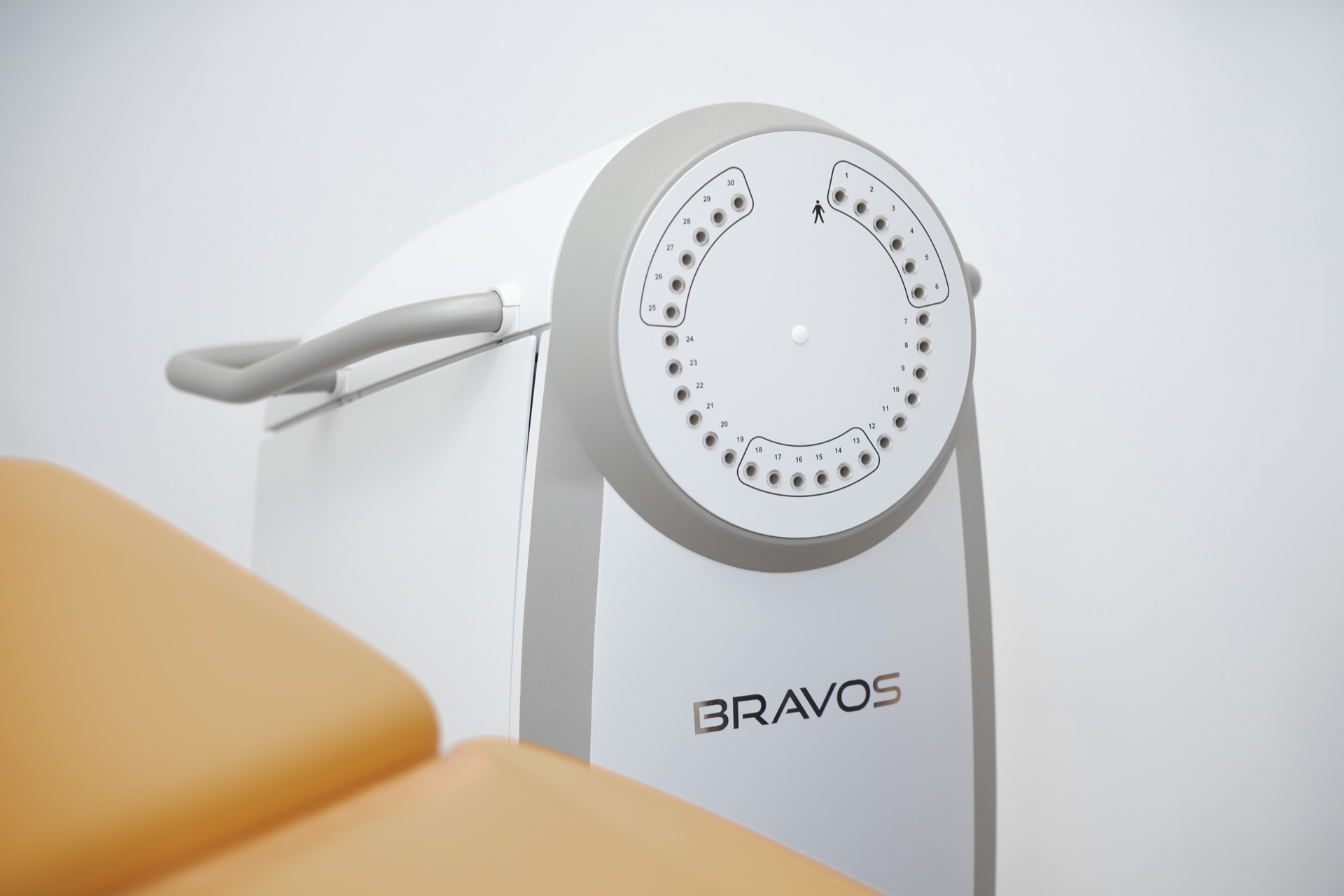
At the Erebuni Radiotherapy Center, brachytherapy is performed using the advanced Varian Bravos system, specifically designed to deliver highly precise and safe treatment for gynecological tumors.
The Role of Brachytherapy in the Treatment of Cervical Cancer
Brachytherapy is a standard component in the treatment of locally advanced cervical cancer. It is usually combined with external beam radiotherapy and, in some cases, with chemotherapy. This approach allows a high radiation dose to be delivered directly to the tumor while minimizing exposure to surrounding healthy tissues. As a result, brachytherapy ensures organ preservation, high local effectiveness, and a significant improvement in overall treatment outcomes.
Indications for Brachytherapy
Brachytherapy is indicated for patients with tumors localized within the pelvic region when precise local disease control is required. It is a mandatory stage for women undergoing external beam radiotherapy. Brachytherapy is especially important in the presence of residual tumor tissue, where complete tumor destruction and prevention of further growth are essential.
How the Procedure Is Performed
Treatment begins with a comprehensive evaluation of the patient, including necessary examinations and consultations. Laboratory tests, MRI, or CT scans are performed to determine the extent of the tumor process.
Brachytherapy is carried out using specialized gynecological applicators placed in the cervical region. The Varian Bravos system ensures highly accurate positioning of the radiation source and individualized dose delivery with millimeter precision, providing uniform irradiation while minimizing the risk of side effects.
At the Erebuni Radiotherapy Center, we perform IGABT (image-guided adaptive brachytherapy). This technique is delivered under MRI or CT guidance. During the procedure, an MRI-compatible applicator is inserted into the residual cervical tumor, followed by MRI imaging. MRI allows for precise assessment of the size and shape of the residual tumor, as well as clear visualization of neighboring organs. For this reason, MRI-guided planning is considered the preferred approach for the first brachytherapy session.
Depending on the size of the residual tumor, treatment may include:
- Intracavitary brachytherapy for small residual tumors, performed under intravenous anesthesia, or
- Combined brachytherapy for larger residual tumors, performed under spinal anesthesia, where interstitial needles are additionally inserted alongside the applicator. The number of needles may range from 2–3 up to 15, depending on the geometry of the residual tumor.
The use of MRI/CT-guided brachytherapy and advanced hybrid treatment techniques makes it possible to individually optimize the treatment plan and achieve a high level of local tumor control in large cervical cancers.
IGABT improves treatment outcomes by reducing recurrence rates and lowering the risk of radiation-related complications.
Treatment Sessions
During each session, the radiation source is automatically introduced into the applicator and removed upon completion of the procedure. The average duration of one session is 10–20 minutes. Typically, the full course consists of three to five fractions. All procedures are performed under continuous medical supervision and in fully safe conditions.
Preparation for Brachytherapy
Before starting treatment, the patient undergoes several mandatory examinations, including:
- complete blood count and biochemical blood tests,
- cardiological evaluation,
- consultation with an anesthesiologist,
- assessment of the urinary and digestive systems.
Before and after the procedures, the physician provides recommendations regarding diet, medication, and physical activity. Adherence to hygiene rules and strict compliance with medical instructions are essential.
Contraindications and Limitations
Despite its high level of safety, brachytherapy may have certain limitations, including:
- severe comorbid conditions,
- significant anatomical changes of the cervix or vagina,
- acute inflammatory processes in the pelvic region,
- rare allergic reactions to the materials used.
The decision to proceed with treatment is made individually, based on a comprehensive evaluation of the patient’s condition.
Effectiveness and Long-Term Outcomes
Brachytherapy for cervical cancer provides a high level of local disease control and promotes long-term remission. When combined with external beam radiotherapy, it significantly increases overall treatment effectiveness and reduces the risk of recurrence. This method is organ-preserving and, when performed correctly, does not negatively affect future reproductive function.
Side Effects and Recovery
During treatment, temporary side effects may occur, including:
- mild pain or a feeling of pressure in the lower abdomen,
- increased urination or a burning sensation,
- mild irritation of the vaginal mucosa.
These symptoms are usually short-lived and respond well to corrective measures. Follow-up care continues after completion of therapy, with regular check-ups to ensure early detection and prevention of potential complications.
Advantages of the Erebuni Radiotherapy Center
The Center is equipped with the latest Varian Bravos brachytherapy system, ensuring high precision, safety, and predictable treatment outcomes. Treatment is delivered by experienced radiation oncologists and medical physicists who carefully monitor every stage of the process. The Center’s approach is based on individualized treatment planning, targeted radiation delivery, and attentive care for each patient.
 Nataliya D. Korniyevskaya
Modified: 2026-09-04
Nataliya D. Korniyevskaya
Modified: 2026-09-04